- Kind
- Monastery
- Tradition
- Theravada
- Town
- Chiang Mai
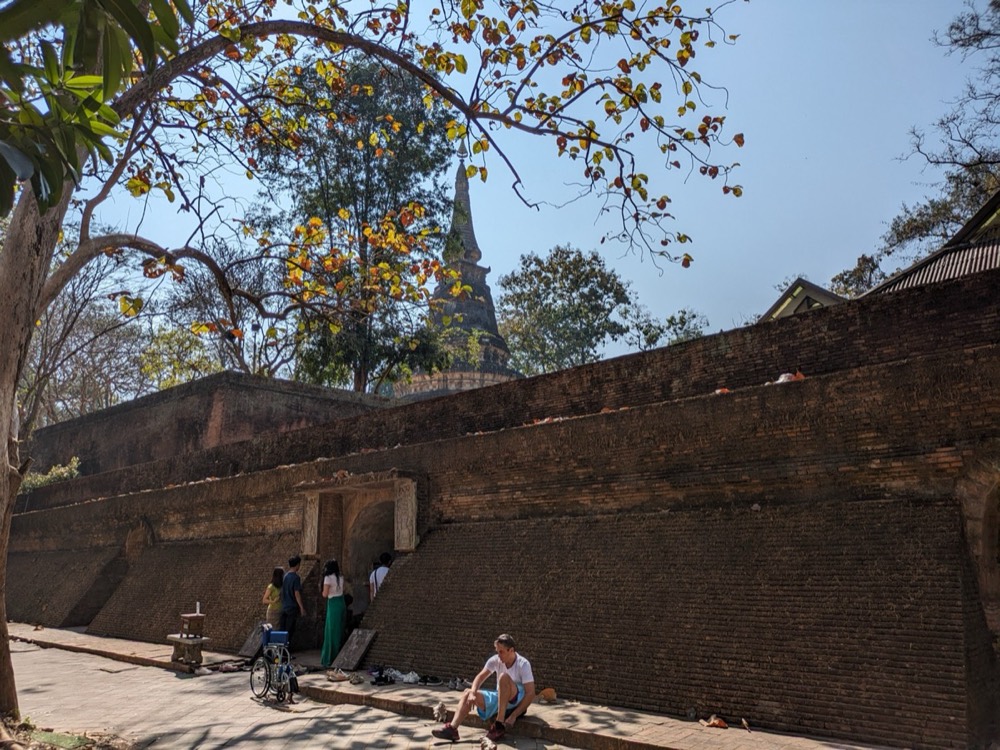
Photo by Vano111ru (Wikimedia Commons, CC BY-SA 4.0)
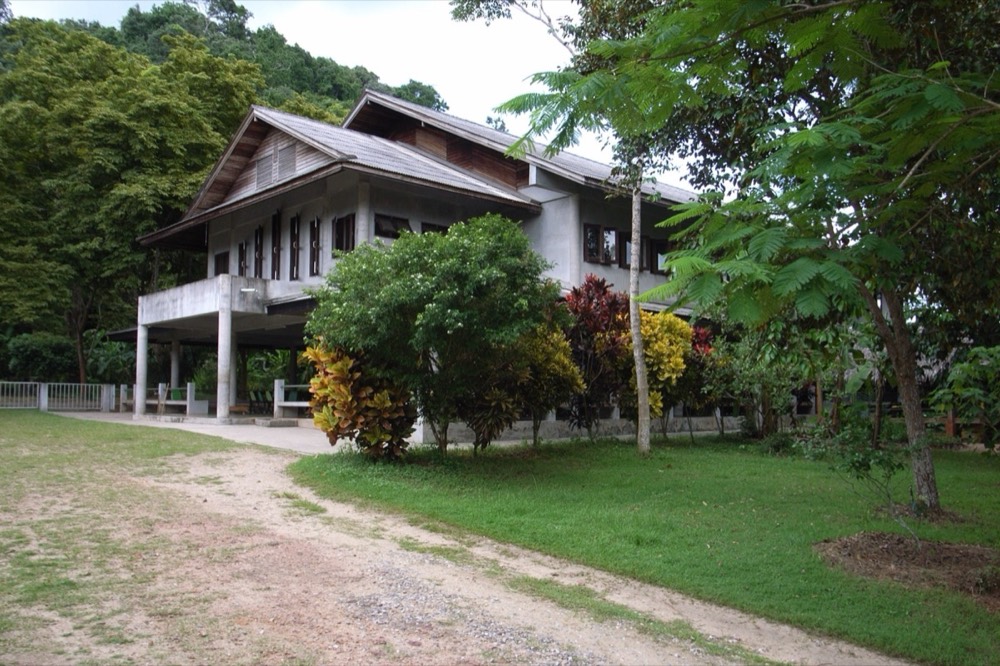
Wat Umong sits against the foothills of Doi Suthep on the western edge of Chiang Mai. “Umong” means tunnel. The temple’s own history says that King Kue Na of Lanna had a tunnel built for the scholar-monk Maha Thera Chan, who knew the Pali scriptures closely, to live in. Tunnels beneath the chedi still hold Buddha images.
The place as it stands today comes from the late 1940s. According to the temple’s biography of Chao Chuen Sirorot, he restored the abandoned temple as a quiet forest wat and founded the Phutthanikhom, a body in which monks and lay people worked together. He was inspired by Buddhadasa Bhikkhu’s work at Suan Mokkh in Chaiya, including its Dhammadana group. The temple names Phra Panyananthaphikkhu as the leading monk from 1949 to 1959. He gave the wooded grounds the name Suan Phutthatham, “garden of the Buddha’s teaching”.
The meditation centre was recognised by the Sangha Supreme Council in 2008 as the seventh provincial meditation centre. Its English page says it teaches vipassana based on the four foundations of mindfulness (satipaṭṭhāna), in keeping with the natural setting, and gives Dhamma teaching to Thais and foreigners.
Visitors show a passport at registration and are asked to email or phone beforehand if possible. A stay is from three days to about two weeks. Meditators wear white, keep silence, stay off phones and electronic devices, and may not leave the temple grounds without permission. New meditators receive instruction at an introductory session in the morning, and the rest of the day is a timetable of self-training in the meditation halls, with morning and evening sweeping, a break after lunch, and chanting and practice in the evening.
For structured courses taught in English in Buddhadasa’s tradition, see the International Dharma Hermitage at Wat Suan Mokkh.
Visiting
Email or phone before arriving if you can, and bring your passport to register. Stays run from about three days to two weeks. Practice is mostly self-directed after an introductory session for new meditators, so ask about English instruction when you book.
Teachers
1
Related places
4
Nearby
within 150 km, straight line
Read more
Sources and verification
4
Written from published sources by the volunteer editors. Not yet reviewed by an outside advisor.
- OrganisationWat Umong Meditation Center: official English page (vipassana on the four satipaṭṭhāna, Thais and foreigners, registration, rules, schedule, recognition as the seventh provincial meditation centre in 2008)
- OrganisationWat Umong official site, history page (King Kue Na, Maha Thera Chan, the names Wat Umong and Suan Phutthatham, Phra Panyananthaphikkhu 1949 to 1959; Thai)
- OrganisationWat Umong official site, biography of Chao Chuen Sirorot (restoration of the abandoned temple, the Phutthanikhom, inspiration from Buddhadasa; Thai)
- ReferenceWikipedia: Wat Umong (1949 meditation centre inspired by Suan Mokkh)
Something wrong, missing or out of date? Report a problem. A source we can check makes it quicker to fix.