Anagarika Munindra was born about 1915 into the Barua family, Bengali Buddhists near Chittagong, in what is now Bangladesh. As a young man he moved to Calcutta and then Sarnath and worked for the Maha Bodhi Society, which set out to revive Buddhism in India. From 1953 to 1957 he was superintendent of the Mahabodhi Temple at Bodh Gaya, the site of the Buddha’s awakening.
Joseph Goldstein, his student, reports that Munindra felt he was caring for the temple without having realised the teachings himself. The teachings were not then available in India, so he went to Burma. Buddhistdoor says U Nu invited him. He practised intensively with Mahasi Sayadaw at the Sasana Yeiktha in Rangoon. Afterwards he spent five years studying the Pali Canon, which Mirka Knaster’s biography says he completed in half the usual time. He lived in Burma for nine years and taught Bengali Buddhists there, including Dipa Ma.
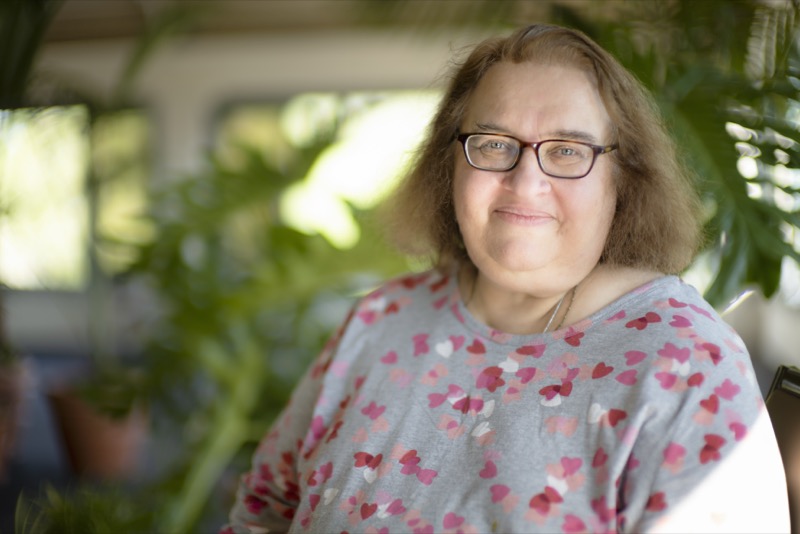
He returned to India in 1966 and settled in Bodh Gaya. Goldstein met him there in 1967, wandering in India in search of a teacher. Munindra’s first words to him were, in Goldstein’s recollection, that if you want to understand your mind, you should sit down and observe it. Goldstein says the founders of the Insight Meditation Society might never have founded it had they not met each other while studying with Munindra. Sharon Salzberg is named among his students.
Students describe a teacher who joined scholarship and practice, and who held views lightly. Knaster writes that he read widely, including the Buddhist Publication Society’s booklets, and told students to test things for themselves. Goldstein recalls his phrase “Be simple and easy”. Jack Engler, a psychologist who researched meditators, writes that Dipa Ma always honoured Munindra as her teacher, though they both knew she had gone deeper. According to Engler, Munindra taught her the jhānas and the psychic powers described in the texts, because he wanted to know whether the texts were true. This is Engler’s account and has not been independently verified.
From 1977 he was invited to teach in North America, Europe and Australia. He taught annually in the Antioch Education Abroad programme in Bodh Gaya. In later years he lived mostly at S. N. Goenka’s centre at Igatpuri, a friend of Goenka since Burma. He died in October 2003.
Mirka Knaster’s Living This Life Fully collects stories and teachings from people who knew him, drawing in part on eighteen hours of interviews Robert Pryor recorded with him in 2000.
Lineage
teacher to student
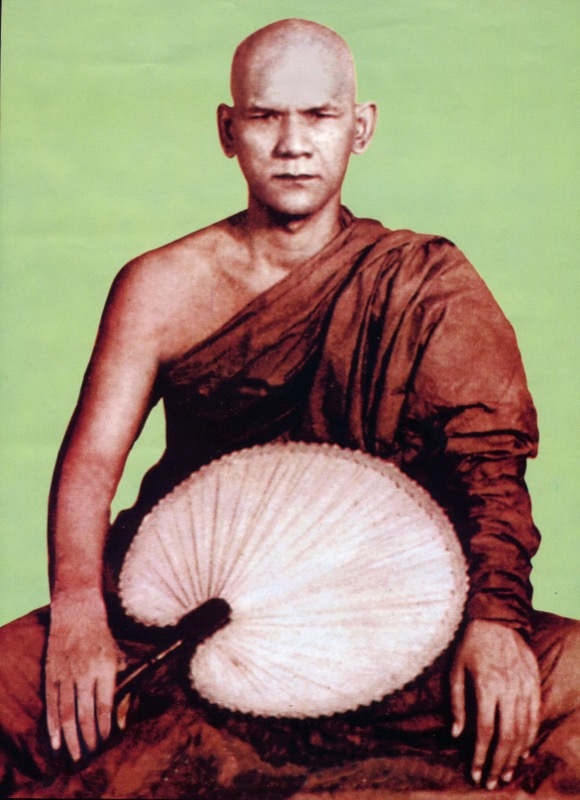
Anagarika Munindra
Vipassana (Mahasi method) · c. 1915 – 2003
Fellow students: also studied with Mahasi Sayadaw · 2
| Name | Tradition | Dates |
|---|---|---|
Jack KornfieldInsight meditation (Thai Forest and Burmese traditions) | Insight meditation (Thai Forest and Burmese traditions) | b. 1945 |
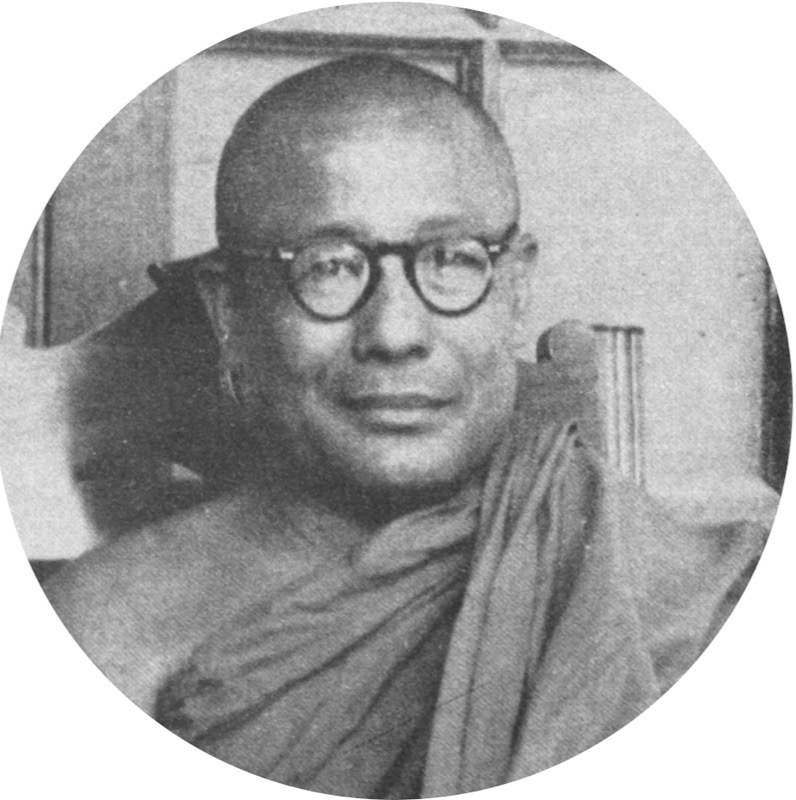 | Vipassana (Mahasi method) | 1921 – 2016 |
Read more
Books
Living This Life Fully: Stories and Teachings of Munindra (by Mirka Knaster)
Shambhala Publications · 2010
Sources and verification
4
Written from published sources by the volunteer editors. Not yet reviewed by an outside advisor.
- ArchiveBarre Center for Buddhist Studies: Honoring a Life and Legacy in the Dhamma, Mirka Knaster on Munindra (born 1915, Barua family, Mahabodhi Society, nine years in Burma, practice with Mahasi Sayadaw, five years of Pali study under U Maung Maung, Bodh Gaya, Antioch programme, Igatpuri, died October 2003, Living This Life Fully)
- BookJoseph Goldstein, If You Want to Understand Your Mind, Sit Down and Observe It, Inquiring Mind, spring 2004 (met him in 1967 at Bodh Gaya; teaching phrases; role in founding IMS; death October 2003)
- BookBuddhistdoor Global, 17 July 2015 (career from 1936, Maha Bodhi Society, superintendent 1953 to 1957, U Nu's invitation, left Burma 1966, 1977 and 1979 teaching, Igatpuri from 1991, 14 October 2003; students named include Dipa Ma, Goldstein and Salzberg)
- BookInquiring Mind: Dipa Ma, A Memorial, 1990 (Munindraji became Dipa Ma's teacher and trained her in concentration; Jack Engler's account of the jhanas)
Something wrong, missing or out of date? Report a problem. A source we can check makes it quicker to fix.
No portrait yet. Did you take a photo of this teacher? Offer your photo.