Sayadaw U Pandita was born in 1921 near Rangoon, now Yangon. He became a monk young and studied the Pāli scriptures for years. In 1952 he passed the Dhammacariya examinations, which qualified him as a teacher of the texts. In 1950 he had begun to practise vipassana under Mahasi Sayadaw, and in 1955 he left his post as a scripture teacher to teach meditation at Mahasi’s centre in Rangoon.
When Mahasi Sayadaw died in 1982, U Pandita became the guiding teacher of the Mahasi centre. In 1991 he left that post and founded Panditarama Meditation Center in Yangon. Branch centres followed in Myanmar and in other countries, including Nepal, Australia, Singapore, the United Kingdom and the United States.
His influence in the West dates from the spring of 1984, when the Insight Meditation Society brought him to lead a three-month silent retreat at Barre, Massachusetts. Salzberg and Goldstein, who sat the retreat, had not met him before. She found him fierce and demanding, and she returned to Burma in 1985 to practise loving-kindness under his guidance for three months. His talks from the 1984 retreat were collected as In This Very Life.
Diana Winston, who ordained as a nun under him for a year, describes the style as a kind of boot camp. Students were asked to practise mindfulness through every waking moment, and to note each experience in body and mind with precision. She also writes that he insisted on ethics as the base for meditation, and that many found him abrupt and distant. This was a method for people willing to be pushed, and the accounts say so plainly.
Winston credits him with the first suggestion that Western insight teachers teach mindfulness to teenagers, which led to teen retreats at the Insight Meditation Society and Spirit Rock, and argues that his way of teaching mindfulness runs through much of the secular mindfulness movement. That is her view, not an established fact.
He kept teaching in Asia, Europe, Australia and the United States until his death. He died on 16 April 2016, aged 94, in a hospital in Bangkok. He also wrote The State of Mind Called Beautiful.
Lineage
teacher to student
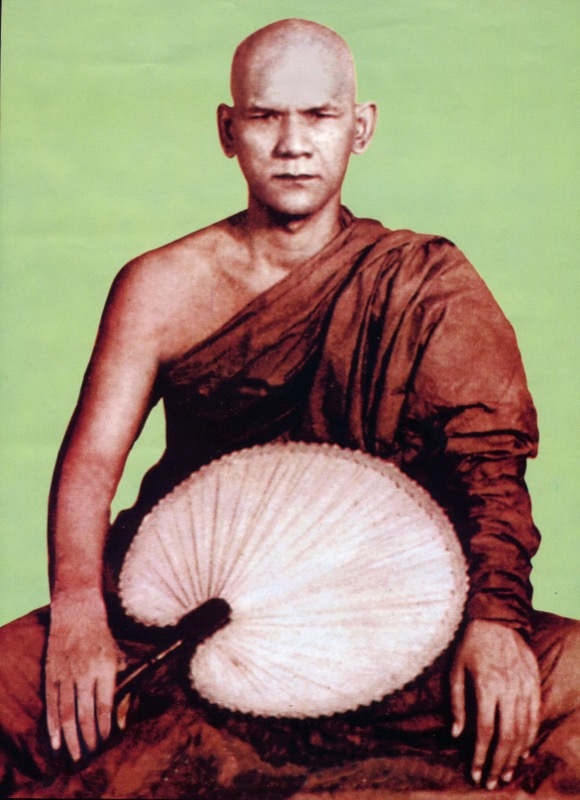
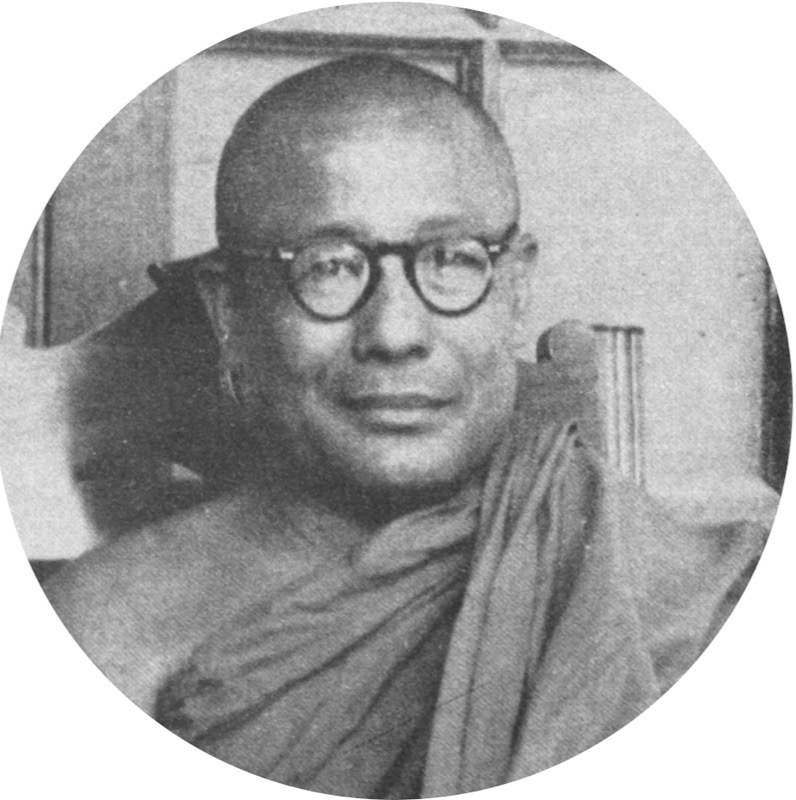
Sayadaw U Pandita
Vipassana (Mahasi method) · 1921 – 2016
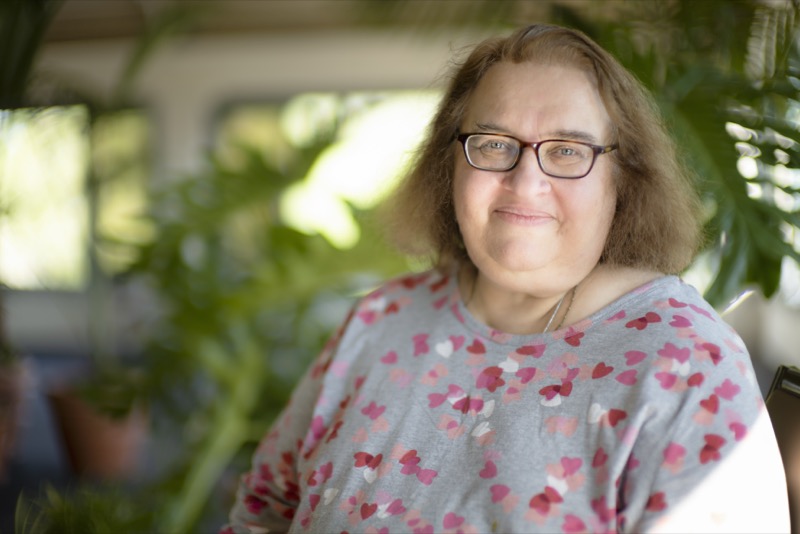
Fellow students: also studied with Mahasi Sayadaw · 2
| Name | Tradition | Dates |
|---|---|---|
Anagarika MunindraVipassana (Mahasi method) | Vipassana (Mahasi method) | c. 1915 – 2003 |
Jack KornfieldInsight meditation (Thai Forest and Burmese traditions) | Insight meditation (Thai Forest and Burmese traditions) | b. 1945 |
Read more
Books
In This Very Life: Liberation Teachings of the Buddha
Wisdom Publications
The State of Mind Called Beautiful
Sources and verification
6
Written from published sources by the volunteer editors. Not yet reviewed by an outside advisor.
- BookLion's Roar obituary, 16 April 2016 (died aged 94; abbot of Panditarama, founded 1991; trained under Mahasi Sayadaw; took over the Mahasi centre after 1982; 1984 IMS retreat; In This Very Life; The State of Mind Called Beautiful; comments from Goldstein and Salzberg)
- BookSpirit Rock: Tribute to Sayadaw U Pandita, Diana Winston (died 16 April 2016; successor to Mahasi; influence on Goldstein and Salzberg; teaching style; ethics as foundation)
- BookTricycle obituary, 18 April 2016 (died in a Bangkok hospital; three-month retreat at IMS in 1984)
- OrganisationPanditarama Sydney Meditation Centre: biography sketch (Dhammacariya degree 1952; practice under Mahasi from 1950; 1955 meditation teacher at the Mahasi centre; Panditarama branch centres)
- BookInquiring Mind: Dipa Ma, A Memorial (Sharon Salzberg's author note names him among her teachers)
- ReferenceWikipedia: U Pandita (bibliography with publisher of In This Very Life), used as a pointer
Portrait by unnamed photographer, Chaṭṭa Saṅgāyanā Souvenir Album, Rangoon, c. 1954 to 1956 (Wikimedia Commons, public domain)
Something wrong, missing or out of date? Report a problem. A source we can check makes it quicker to fix.