Mingyur Rinpoche was born in Nepal in 1975, the fourth son of Tulku Urgyen Rinpoche, and is the seventh Yongey Mingyur Rinpoche. He began studying meditation as a young boy with his father. Tergar says he had anxiety and panic attacks through his childhood and into his teens, and learned to transform the panic through meditation. Conversations with scientists who visited his father sparked an early interest in contemporary science.
Lineage and training
He received the Karma Kagyu transmissions mainly from Tai Situ Rinpoche and Saljey Rinpoche, and the Nyingma transmissions mainly from his father and Nyoshul Khen Rinpoche. The Tergar lineage, whose name combines ter (treasure) and gar (gathering), joins the Karma Kagyu and Nyingma. Tergar describes it as primarily a practice lineage, founded by the first Mingyur Rinpoche in the late 17th century. He has completed a traditional three-year retreat.
Tergar and research
He heads the Tergar Meditation Community, which supports groups of students in more than thirty countries through three tracks: Joy of Living, Path of Liberation and Exploring Buddhism. At Tai Situ Rinpoche’s request he built a monastery in Bodhgaya, completed in 2006, and in 2010 he reopened Ösel Ling in Kathmandu, given by his brother Tsoknyi Rinpoche, as a shedra. He has worked with neuroscientists and psychologists, including Richard Davidson and Antoine Lutz at the University of Wisconsin, on research into the effects of meditation on the brain and mind.
Wandering retreat
He later left his monastery, without telling anyone, for a wandering retreat of about four years, living on the streets of India with sadhus and meditating in Himalayan caves. Lion’s Roar reported his plans in March 2012 and his return in November 2015. In an interview he described falling gravely ill in Kushinagar early in the retreat, letting go of any fear of death, and waking in a local clinic. He wrote about the journey in In Love with the World.
Books
His first book, The Joy of Living, was a New York Times bestseller and has been translated into more than twenty languages. Joyful Wisdom explores working with difficult emotions and life situations. Tergar describes his approach as joining traditional Buddhist practice and philosophy with current scientific understanding of the mind.
Lineage
teacher to student
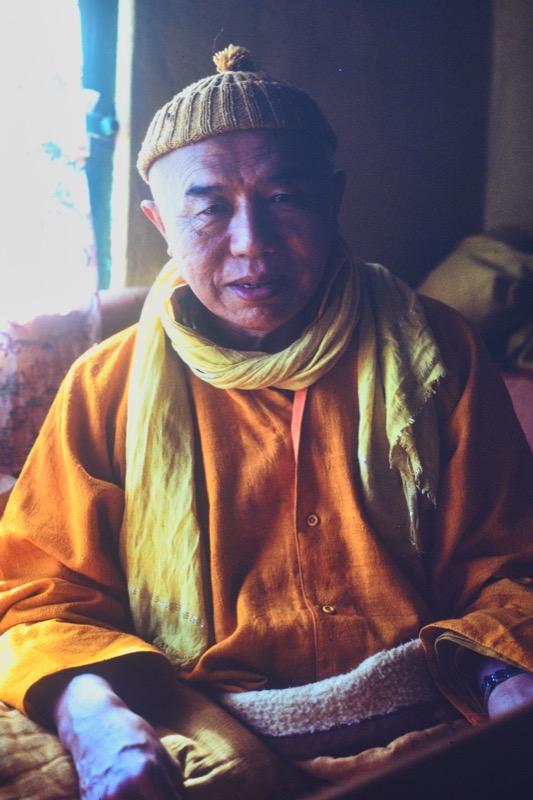
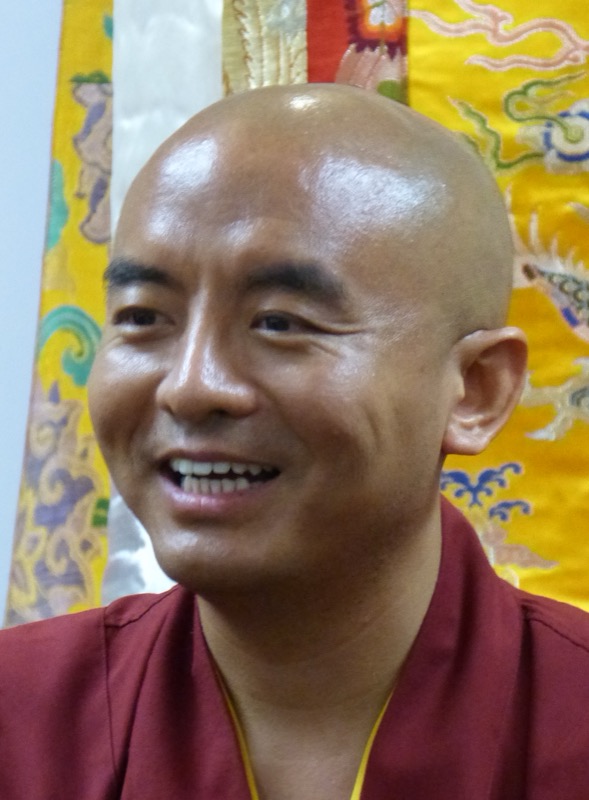
Yongey Mingyur Rinpoche
Tibetan · b. 1975
Fellow students: also studied with Tulku Urgyen Rinpoche · 7
| Name | Tradition | Dates |
|---|---|---|
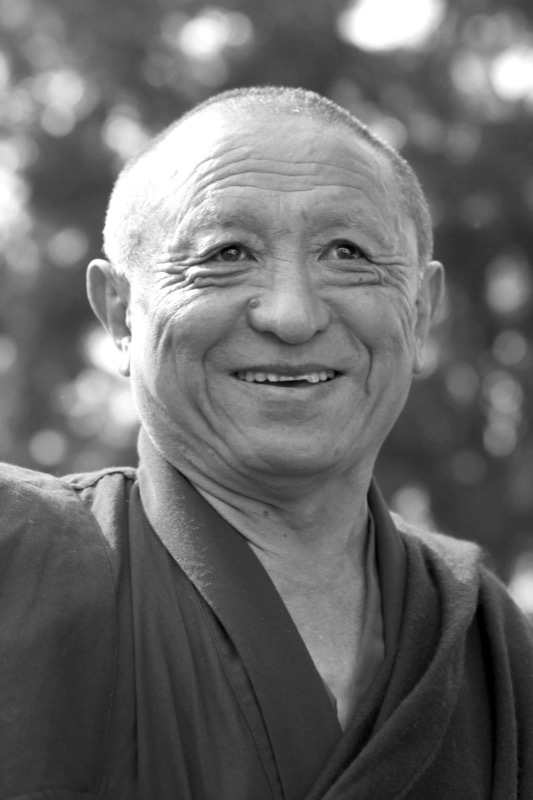 | Chokling Tersar (Nyingma) | b. 1951 |
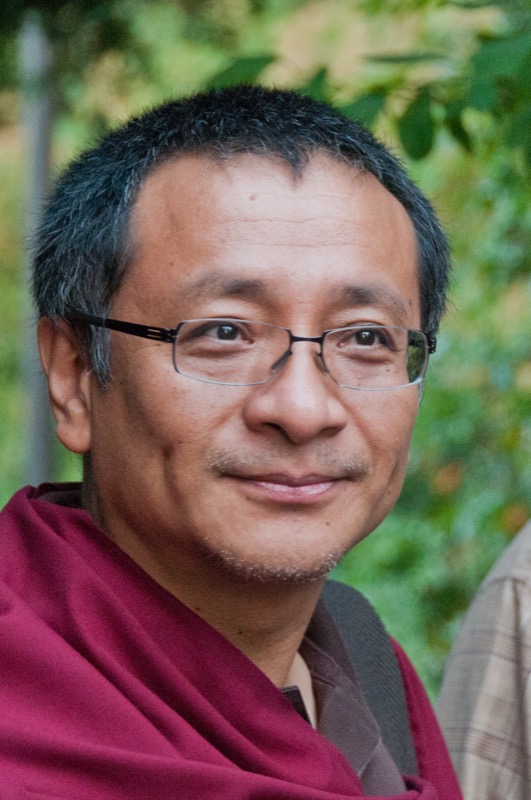 | Nyingma and Karma Kagyu | b. 1965 |
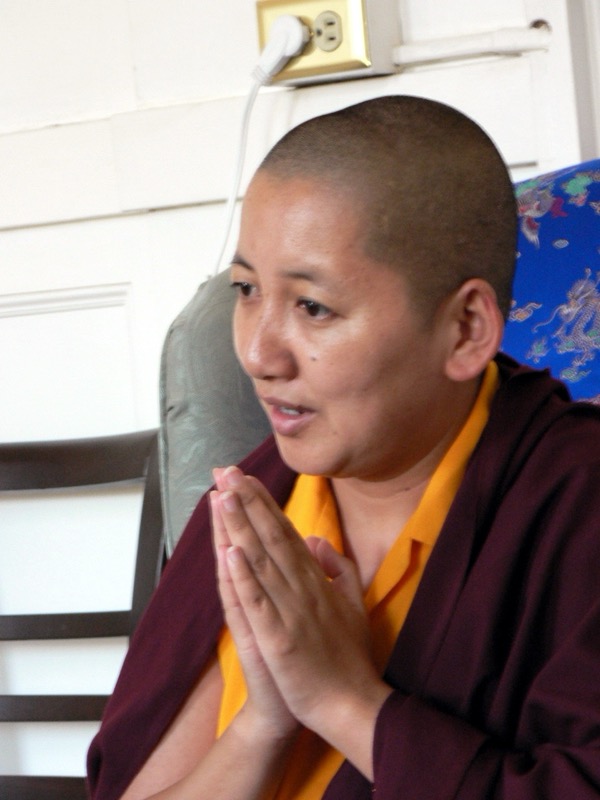 | Tibetan | b. 1969 |
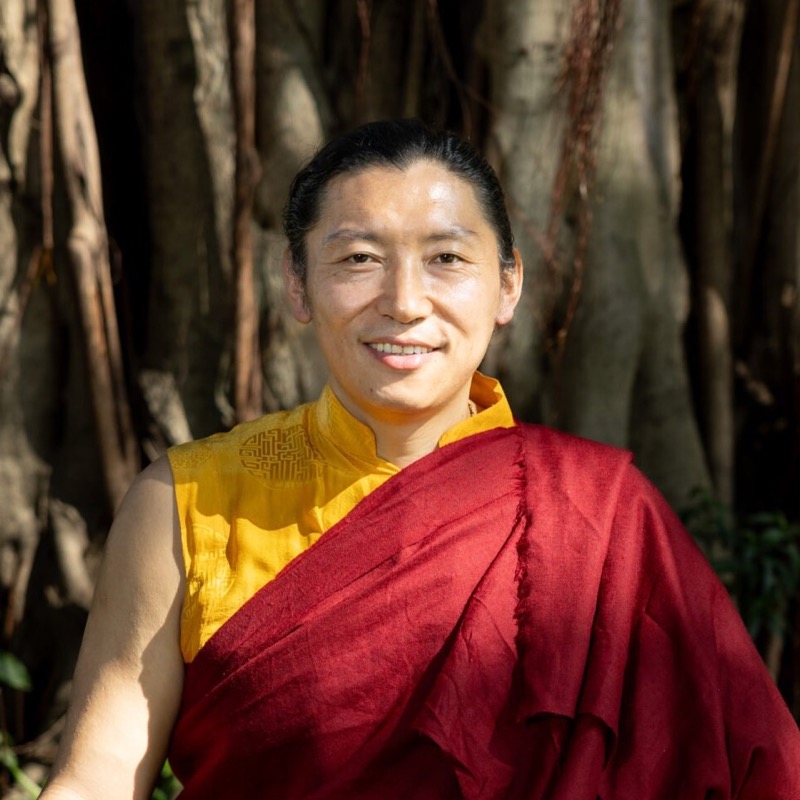 | Chokling Tersar (Nyingma) | b. 1981 |
 | Vipassana (Burmese and Indian lines) and metta practice | b. 1952 |
Tsikey Chokling RinpocheChokling Tersar (Nyingma) | Chokling Tersar (Nyingma) | 1953 – 2020 |
Tsoknyi RinpocheTibetan | Tibetan | b. 1966 |
Talks
14

A Guided Meditation on the Body, Space, and Awareness

Calming the Mind: The Practice of Awareness Meditation

How to Do Retreat in Daily Life

Mind Like Space: Finding Inner Freedom through Meditation

Basic Goodness and Awareness, Part 1

Basic Goodness and Awareness, Part 2

Basic Goodness and Awareness, Part 3

Basic Goodness and Awareness, Part 4

Befriending Feelings

The First Step on the Vajrayana Path

The Inner Sky and Innate Well-Being

Letting My Self Die

Open Awareness Meditation

What Happiness Is and How to Find It
Read more
Books
The Joy of Living: Unlocking the Secret and Science of Happiness
Joyful Wisdom: Embracing Change and Finding Freedom
In Love with the World
Sources and verification
3
Written from published sources by the volunteer editors. Not yet reviewed by an outside advisor.
- OrganisationTergar Meditation Community: Yongey Mingyur Rinpoche
- OrganisationTergar Meditation Community: The Tergar Lineage
- BookLion's Roar staff, 'Mingyur Rinpoche reveals what happened during his four years as a wandering yogi', 15 July 2016 (interview by senior students)
Portrait by Gazebo (Wikimedia Commons, CC BY-SA 3.0)
Something wrong, missing or out of date? Report a problem. A source we can check makes it quicker to fix.